Businesses don't just deal with selling products. Stock management, transactions, finance, distribution of goods, to the performance of each branch also requires special attention. As the business grows, processes that could previously be handled through separate spreadsheets or applications have the potential to lead to recording errors, stock discrepancies, and decision delays.
ERP software has a very vital role, because with ERP software all existing systems can be integrated so that business processes become simpler. So that the company can manage operations more efficiently.
The urgency of digitization can be seen from the data of the Central Bureau of Statistics (bps). In the publication of E-Commerce Statistics 2024 released in November 2025, the number of e-commerce businesses in Indonesia was recorded to increase 15.30% compared to the previous year. This growth shows the growing importance of managing trading and operational activities digitally.
So, what are the main functions of ERP software that can help retail businesses face operational challenges in 2026?
7 Main Functions of ERP Software for Retail Businesses
1. Managing Stock of Goods in an Integrated Way
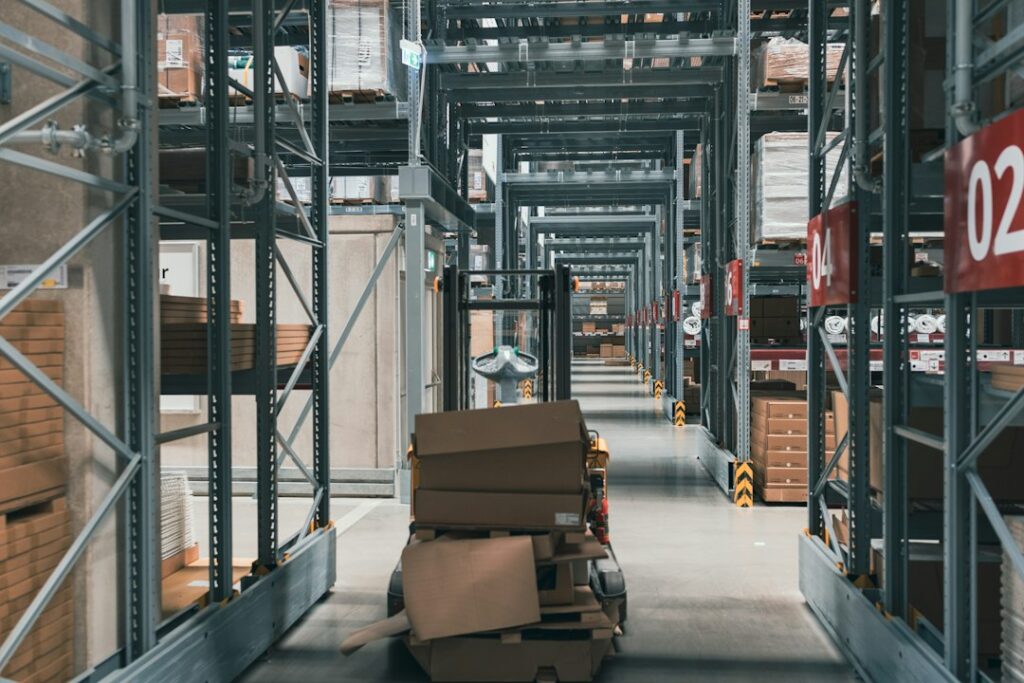
Inventories are one of the most crucial aspects of the retail business. Too much stock can increase storage costs, while empty stock risks losing sales.
Software ERP membantu perusahaan memantau persediaan secara terpusat, termasuk jumlah barang masuk dan keluar, perpindahan antar gudang, serta ketersediaan produk di setiap cabang.
With more accurate stock data, companies can time re-orders, reduce the risk of running out of goods, and avoid product buildup that is less desirable.
2. Integrating Sales from Multiple Channels
Modern retail businesses often rely on multiple sales channels, such as physical stores, websites, marketplaces, and social media. Without integration, transaction data from each channel has the potential to make it difficult to monitor business performance.
ERP can connect sales data with inventory, finance, and order fulfillment processes. When integration with POS systems and marketplaces is available, companies can get a more comprehensive picture of transactions.
As a result, businesses more easily monitor best-selling products, compare performance across channels, and reduce errors in order processing.
Baca Juga: PBF Software: Safer and More Efficient Pharmaceutical Distribution
3. Automate Financial Records
Manually recording transactions can be time-consuming, especially when businesses have many branches with high transaction volumes.
ERP software helps integrate sales transactions, purchases, operational costs, debts, receivables, and financial statements. Data recorded in related modules can reduce the need to enter the same information repeatedly.
Management can also monitor revenue, costs, cash flow, and profitability in a more structured manner. Namin, the accuracy of the report remains dependent on the configuration of the system and the quality of the data entered.
4. Monitor the Performance of Each Branch
For retail businesses with multiple solutions, comparing branch performance using separate reports can slow down evaluation.
ERP provides access to integrated operational data so that management can compare sales, inventory, costs, and achievement of targets across branches.
This information helps companies identify the best performing branches, find operational problems, and determine corrective steps based on available data.
5. Optimizing Procurement and Supplier Relations
Delays in delivery and uncertainty in the availability of goods can disrupt retail operations. The procurement function in ERP helps companies manage purchase requests, orders to suppliers, receipt of goods, and recording of purchase costs.
Purchase history and inventory data can also be used as evaluation materials to determine suppliers that are suitable for business needs.
With a more structured procurement process, companies have the opportunity to reduce excessive purchases, improve cost control, and maintain product availability.
6. Provides Analysis for Decision Making
Operational data will be more useful if it can be processed into information that supports business strategy.
ERP software can present reports on sales trends, profit margins, inventory turnover, operating costs, and product performance. If equipped with an analytics dashboard, the information can help management recognize patterns and evaluate strategies.
For example, a company may identify products with high sales but low margins, then evaluate pricing, procurement costs, or promotional strategies.
Baca Juga: School Information System: 7 Benefits of More Efficient School Management
7. Supporting Retail Business Scalability
When businesses open new branches, add product categories, or expand sales channels, operational complexity also increases.
ERP helps standardize work processes and centralize data management. That way, the company does not have to build a different recording system for each branch or business unit.
This flexibility makes ERP the foundation to help the business continue to grow, as long as the selected system is able to follow the needs of the company and is supported by the right implementation process.
How to Choose the Right Software for Retail Businesses
Not all retail businesses require the same ERP configuration. Before choosing a system, companies should consider the following:
- Operational needs: Ensure the system supports the management of stock, sales, purchases, and finances according to business processes.
- Integration: Check compatibility with already used POS, marketplaces, accounting systems, and other applications.
- Scalability: Choose a solution that can accommodate the addition of branches, users, and transaction volumes.
- Ease of use: Ensure the system can be used by the operational team with appropriate training.
- Implementation costs: Evaluate the cost of licensing, configuration, data migration, training, maintenance, and technical support.
- Implementation support: Consider a partner who understands retail business processes and can help tailor the system to the company's needs.
ERP selection should be based on the suitability of business processes, not solely on the number or features of software popularity.
Techway: ERP solution for Retail Business needs in Indonesia
Every retail business has different challenges. Fashion retail requires managing size and color variations, retail distributors need to control stock and distribution, while store networks require cross-branch sales visibility.
Therefore, ERP implementation needs to be adjusted to the operational flow, business scale, and growth targets of the company.
Techway helps the entire retail industry in Indonesia get ERP software that suits their business needs. Through an implementation approach oriented to operational needs, companies can evaluate business processes, determine relevant modules, and plan system integration more purposefully.
With the right ERP solution, retail businesses can improve operational efficiency, strengthen inventory control, gain better financial visibility, and build a foundation for sustainable growth.
Bacaan terkait: Untuk melihat modul inti, cara kerja, dan pertimbangan memilih sistem lintas divisi, kunjungi ERP application guide for businesses. Artikel ini berfokus pada penerapannya untuk operasional retail.
Conclusion
In 2026, ERP software is not just a tool for storing business data. It connects sales, inventory, finance, procurement, and performance analysis in one integrated ecosystem.
For retail businesses that want to grow, choosing an ERP that suits their needs is a strategic step to improve efficiency and support data-driven decisions. With proper implementation, the company can reduce operational barriers while preparing the business for the next growth opportunity.